


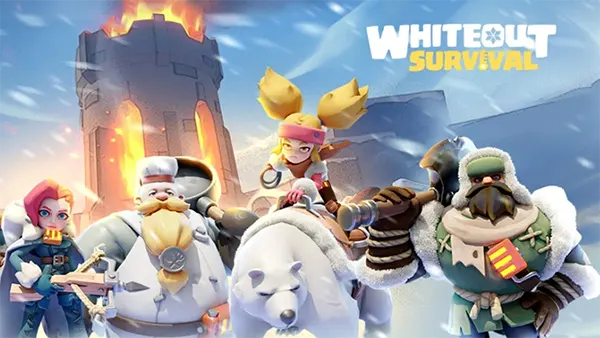
Whiteout Survival has become one of the most discussed mobile strategy games in recent years, particularly due to its focus on extreme weather conditions and long-term settlement management. Set in a frozen post-apocalyptic world, the game challenges players to maintain a functioning colony while balancing resources, technology, and population wellbeing. Unlike traditional city-builders, survival here is not a background mechanic but the core gameplay driver, influencing every decision from construction priorities to troop deployment.
Core Survival Mechanics in Extreme Cold Conditions
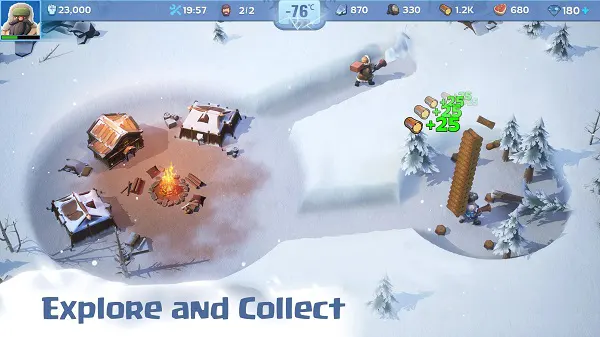
The defining feature of Whiteout Survival is its temperature system. Every structure, worker, and production chain is affected by cold exposure. Players must constantly maintain heat levels using central furnaces and auxiliary heating structures. If the temperature drops too low, productivity decreases and citizens may fall ill, which directly impacts resource generation and long-term sustainability.
Food and fuel management are equally critical. Hunting expeditions, gathering missions, and farming systems must be carefully balanced to prevent shortages. Unlike many mobile strategy games, resource scarcity is not temporary — poor planning can create cascading failures that are difficult to recover from, especially in mid-to-late stages of progression.
The health and morale of survivors introduce an additional layer of complexity. Citizens require shelter, warmth, and consistent supplies. Ignoring these needs leads to reduced efficiency and, in severe cases, population loss. This makes survival mechanics deeply interconnected with base development rather than isolated systems.
Environmental Pressure as a Gameplay Driver
The game’s weather cycles are not static. Sudden temperature drops, storms, and long-term climate shifts force players to adapt their strategies dynamically. This creates a sense of urgency that differs from traditional idle-based city builders.
Players must anticipate these changes by upgrading heating infrastructure and stockpiling resources in advance. Reactive strategies are rarely effective, as penalties for unpreparedness are significant.
This system encourages long-term planning and makes each decision more meaningful, particularly when expanding the settlement or investing in new technologies.
Base Development and Infrastructure Planning
Base building in Whiteout Survival revolves around efficiency and proximity. Structures must be placed strategically to optimise heating coverage and reduce energy consumption. Unlike standard grid-based systems, positioning directly affects survival outcomes.
Technology progression plays a central role in expanding the settlement. Research trees unlock improved heating methods, advanced production chains, and defensive capabilities. Prioritising the right upgrades at the right time can significantly influence progression speed.
Workforce management is another key component. Assigning survivors to tasks such as gathering, construction, and research requires constant adjustment. Overloading one sector can lead to shortages in another, making balance essential for stable growth.
Optimising Resource Chains for Long-Term Stability
Efficient production chains are necessary to sustain growth. For example, wood is required for fuel, construction, and upgrades, meaning overuse in one area can create bottlenecks elsewhere.
Players often need to restructure their base layout as they progress, replacing early-game buildings with more advanced versions. This creates a natural evolution in base design rather than a fixed structure.
Automation features become more relevant in later stages, allowing for better control over resource flow and reducing manual micromanagement.
Combat, Exploration, and Multiplayer Elements
While survival and base management are central, Whiteout Survival also includes combat and exploration systems. Players send out expeditions to gather resources, rescue survivors, and engage in battles with hostile factions.
The hero system adds depth to combat. Each hero has unique abilities and stats that influence battle outcomes. Proper team composition becomes increasingly important in later stages, especially during alliance-based conflicts.
Multiplayer features introduce alliances, cooperative events, and competitive ranking systems. These elements extend gameplay beyond solo progression and create additional strategic layers.
Strategic Role of Alliances and PvP Interactions
Joining an alliance provides access to shared resources, faster construction times, and coordinated defence strategies. This is particularly valuable during large-scale events or territorial conflicts.
Player-versus-player interactions are structured but impactful. Attacks can disrupt resource production and slow down progression, making defensive planning just as important as expansion.
Alliance-based gameplay encourages communication and coordination, turning the experience into a hybrid between strategy simulation and social gameplay.