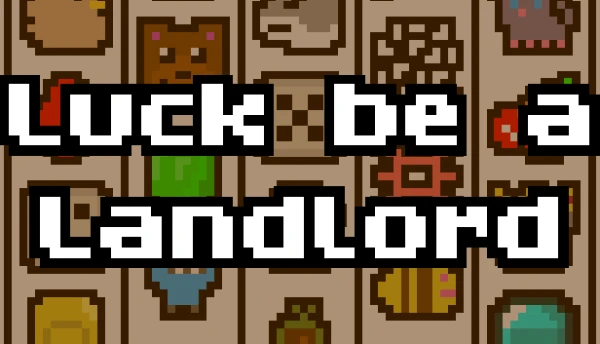



Luck be a Landlord turns a familiar slot machine into a strategy game where every symbol matters. Instead of chasing cash prizes, players collect coins to pay increasingly expensive rent. Success depends on building useful combinations, recognising dangerous choices and knowing when to change direction. The game rewards thoughtful decisions, although random outcomes ensure that no strategy guarantees victory.
How Symbol Combinations Influence Your Earnings
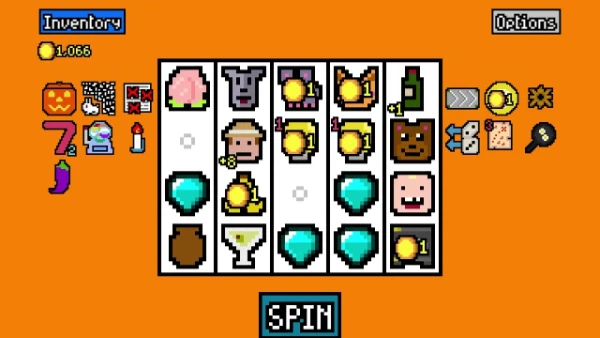
Each spin produces coins from symbols appearing on the machine. After a spin, players can usually choose a new symbol from three random options or skip the selection. Some symbols offer steady income, while others become valuable only when paired with suitable companions. Choosing the highest-paying symbol is therefore not always the strongest decision.
For example, Bees increase the value of adjacent Flowers, while Suns provide an even larger multiplier for Flowers beside them. A Dwarf can consume Beer for additional coins, turning a modest symbol into a useful temporary resource. These interactions demonstrate why the composition of a collection matters more than the individual value of every addition.
Although the game borrows the appearance of casino slots, its mechanics differ considerably from conventional gambling. Readers familiar with online casino games at Nolimit way will recognise the spinning reels, but Luck be a Landlord replaces real-money betting with collection-building decisions. It contains no real-money gambling, and its central challenge is managing fictional coins.
Building Combinations That Remain Useful
Strong combinations often develop around a small group of compatible symbols. A player collecting Flowers might favour Bees, Rain and other effects that improve their returns. Meanwhile, adding unrelated symbols can reduce the frequency with which valuable combinations appear. Consistency becomes particularly important when rent payments increase.
Some symbols grow stronger over time. Mrs Fruit consumes certain adjacent fruits and permanently increases her own earnings, making her potentially valuable during longer runs. Other combinations produce immediate rewards but offer limited future growth. Understanding this difference helps players balance short-term survival with a sustainable income.
Items also influence how combinations perform. Certain items improve particular symbol groups, while others change selection opportunities or provide additional resources. The best choice depends on the existing collection rather than rarity alone. An ordinary item supporting several established symbols may be more useful than a rare item with no relevant interaction.
Managing Risk as Rent Payments Increase
Rent creates constant pressure because the required payment rises as a run progresses. A collection that comfortably covers an early deadline may struggle later without improvement. Players must therefore judge whether their current income is sufficient and whether a proposed addition will help before the next payment arrives.
One practical approach is to prioritise reliable earnings when funds are low. Coal, for instance, eventually transforms into a valuable Diamond, but initially produces no coins. Taking several delayed-reward symbols while approaching a rent deadline can create unnecessary danger. Future potential matters only when the collection can survive long enough to benefit.
Skipping an offered symbol can also be a sensible decision. Adding weak or incompatible symbols increases collection size without necessarily improving earnings. Removal Tokens provide another way to refine a collection by eliminating unwanted symbols. These choices help preserve space for combinations that already contribute meaningful income.
Practical Decisions That Improve Your Chances
Successful runs usually require adjustments rather than following one rigid strategy. Early choices should establish enough income to meet upcoming payments. During the middle stages, players can concentrate on combinations that scale effectively. Later, removing low-value symbols and strengthening productive groups becomes increasingly important.
Randomness still shapes every attempt. Players cannot control which symbols appear among the available choices or guarantee that useful combinations will land together. However, they can control what enters their collection, which opportunities they reject and how they use available resources. These decisions reduce avoidable risks without eliminating uncertainty.
Luck be a Landlord ultimately rewards a balance between patience and adaptation. Building around compatible symbols, monitoring rent requirements and avoiding unnecessary additions creates a stronger foundation than collecting every attractive option. Victory is never assured, but understanding how income develops gives players a clearer basis for each decision.