



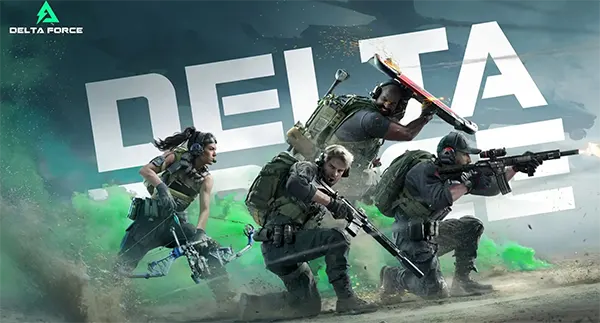


The Delta Force series has long been associated with large-scale military operations, realistic combat scenarios, and a deliberate tactical pace that set it apart from arcade shooters. With Delta Force: Hawk Ops Mobile, the franchise makes a carefully considered transition to smartphones, aiming to preserve its identity while adapting to modern mobile gaming standards. The mobile release is positioned not as a simplified spin-off, but as a fully fledged tactical shooter designed specifically for touch-based devices.
A new chapter for Delta Force on mobile devices
Delta Force: Hawk Ops Mobile is developed with a clear focus on authenticity and battlefield realism. Unlike many mobile shooters that prioritise fast sessions and simplified mechanics, this title emphasises squad coordination, controlled movement, and tactical positioning. Players are encouraged to approach each mission thoughtfully, using cover, reconnaissance, and teamwork rather than relying solely on reflexes.
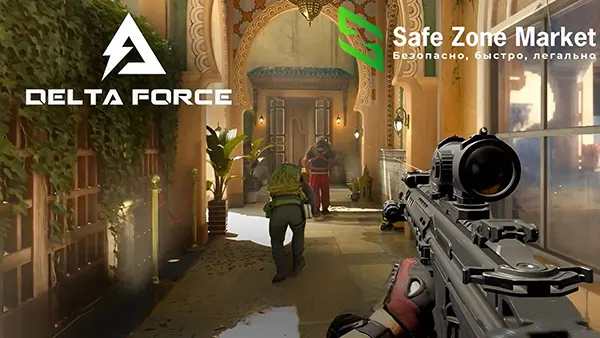
The game is built on a modern engine optimised for mobile hardware, allowing for large maps, dynamic lighting, and detailed environments. Urban zones, desert landscapes, and military facilities are recreated with attention to scale and sightlines, which directly influence gameplay. This technical foundation enables longer engagements and more strategic pacing compared to typical mobile action games.
From the outset, Hawk Ops Mobile establishes itself as a continuation of the Delta Force philosophy. Loadouts, mission objectives, and map layouts are designed to mirror real-world military operations, reinforcing the series’ long-standing reputation for grounded combat rather than exaggerated action.
How the mobile version adapts tactical gameplay
Adapting a tactical shooter to smartphones requires careful control design, and Hawk Ops Mobile addresses this challenge with a customisable interface. Players can adjust button placement, sensitivity, and aiming assistance to suit different play styles. This flexibility is essential for maintaining precision during longer firefights and coordinated squad manoeuvres.
The developers have also implemented context-sensitive actions to reduce on-screen clutter. Actions such as leaning, vaulting, or interacting with objectives are triggered intelligently based on player position. This approach helps maintain immersion while keeping the interface readable during complex engagements.
Importantly, the game avoids excessive automation. While accessibility options are available, success still depends on situational awareness and decision-making. This balance ensures that mobile controls support tactical depth rather than replacing it.
Core game modes and mission structure
Delta Force: Hawk Ops Mobile features a range of mission types designed to accommodate both solo players and coordinated squads. Operations include objective-based assaults, defensive scenarios, and reconnaissance missions that reward careful planning. Each mode is structured to encourage methodical progression rather than rushed completion.
Multiplayer operations form a central part of the experience. Team-based modes require players to assume defined roles, such as assault, support, or reconnaissance, each contributing unique capabilities to the squad. Success is determined by coordination and communication rather than individual performance alone.
Mission progression is tied to performance metrics that value tactical efficiency. Completing objectives with minimal casualties, effective use of equipment, and strong team coordination results in better rewards and unlocks.
Weapons, equipment, and progression systems
The arsenal in Hawk Ops Mobile reflects modern military equipment, with a focus on realistic weapon handling and ballistics. Firearms differ in recoil patterns, effective range, and attachment compatibility, requiring players to tailor their loadouts to specific missions and environments.
Equipment such as drones, reconnaissance tools, and defensive gear plays a significant role in mission success. These tools are not optional extras but integral elements of tactical planning, allowing squads to gather intelligence and control engagement conditions.
Progression systems are designed to reward consistent play rather than short-term grinding. Unlocks are tied to skill-based challenges and mission outcomes, reinforcing long-term engagement without undermining balance.
Technical performance and long-term support
Performance optimisation is a key focus for Delta Force: Hawk Ops Mobile. The game offers scalable graphics settings to accommodate a wide range of devices, ensuring stable frame rates without sacrificing essential visual clarity. This approach allows competitive play even on mid-range smartphones.
Network infrastructure is designed to support large-scale multiplayer matches with minimal latency. Server stability and regional matchmaking are prioritised to provide fair and responsive gameplay, which is critical for a tactical shooter where reaction time and positioning matter.
The developers have outlined a long-term content roadmap that includes new missions, maps, and equipment. Regular updates are planned to maintain balance and expand gameplay options without fragmenting the player base.
The future of tactical shooters on mobile
Delta Force: Hawk Ops Mobile represents a broader shift in mobile gaming, demonstrating that complex tactical experiences can succeed outside traditional PC and console environments. The game challenges assumptions about what mobile shooters can offer in terms of depth and realism.
By maintaining a clear identity and resisting over-simplification, Hawk Ops Mobile appeals to players seeking a more deliberate and structured experience on smartphones. This approach positions the title as a reference point for future tactical releases on mobile platforms.
As mobile hardware continues to evolve, games like Delta Force: Hawk Ops Mobile suggest that the gap between mobile and traditional gaming experiences will continue to narrow, particularly in genres that value strategy and coordination.