
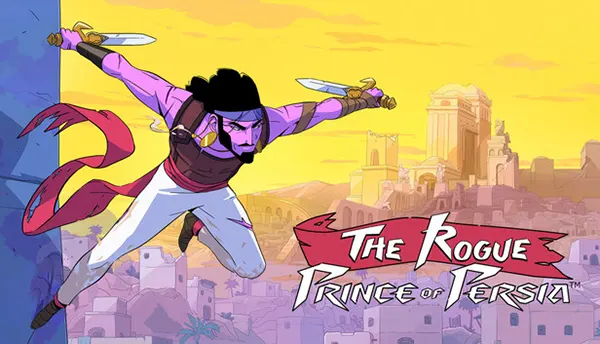



The idea of bringing The Rogue Prince of Persia to mobile devices raises a practical question rather than a purely technical one: can a fast-paced roguelite structure realistically match the way people use their smartphones in 2026? Modern mobile gaming is no longer limited to casual puzzles or idle mechanics, yet player behaviour still revolves around short sessions, interruptions, and fluctuating attention. This makes the design of a roguelite — where runs are repeatable, skill-based, and often intense — particularly relevant for mobile adaptation.
How Roguelite Structure Aligns with Mobile Gaming Behaviour
Roguelite design has evolved significantly over the past decade, moving from long, punishing runs to more flexible structures. Titles like Dead Cells and Hades have already demonstrated that shorter loops, checkpoints, and meta-progression can keep players engaged without demanding extended playtime. This evolution makes the genre a natural candidate for mobile devices, where sessions often last between five and fifteen minutes.
Smartphone users in 2026 expect games to adapt to their schedules rather than the other way around. A roguelite like The Rogue Prince of Persia could benefit from segmented runs, where each stage or encounter acts as a meaningful checkpoint. This allows players to pause without losing progress while still preserving the tension and risk that define the genre.
Another important factor is repeatability. Mobile players tend to revisit games multiple times a day, and roguelites thrive on this loop. Procedural generation, varied enemy patterns, and evolving builds create a sense of freshness even in short bursts, which aligns well with how people engage with apps during commutes, breaks, or short idle moments.
Session Length, Progression and Player Retention
Short sessions do not necessarily mean shallow gameplay. In fact, well-designed roguelites use compact runs to maintain intensity. If The Rogue Prince of Persia were adapted for mobile, runs lasting 8–12 minutes could offer a balanced experience, combining platforming precision with quick decision-making.
Meta-progression systems are essential in this context. Unlockable abilities, permanent upgrades, and narrative fragments give players a sense of advancement even after failed attempts. This is particularly important on mobile, where interruptions are frequent and players need reassurance that their time investment matters.
Retention also depends on clarity. Mobile players often return after gaps of several hours or days, so the game must quickly re-establish its core mechanics. Clear visual feedback, intuitive controls, and consistent design patterns help reduce friction and make each return session feel immediate rather than overwhelming.
Control Challenges and Interface Adaptation for Touchscreens
One of the main obstacles in adapting a fast-paced action roguelite to mobile lies in control precision. The Rogue Prince of Persia relies on fluid movement, timing, and reactive combat. Translating this experience to touchscreens requires careful rethinking of input systems rather than a direct port of traditional controls.
Modern mobile games increasingly use hybrid control schemes, combining virtual buttons with gesture-based inputs. For example, swipes can replace directional dodges, while taps and holds manage attacks and abilities. This approach reduces screen clutter and improves responsiveness, especially on smaller devices.
Another consideration is device diversity. In 2026, players use a wide range of smartphones with varying screen sizes and performance capabilities. The interface must scale effectively, ensuring that controls remain accessible on both compact and large displays without compromising accuracy.
Balancing Precision and Accessibility in Mobile Gameplay
Precision is critical in any platforming roguelite, but mobile design often prioritises accessibility. To bridge this gap, developers can implement assisted mechanics such as forgiving hitboxes, contextual auto-targeting, or slight input buffering. These adjustments maintain challenge while reducing frustration caused by touch limitations.
Customisation options also play a key role. Allowing players to reposition controls, adjust sensitivity, or switch between control schemes ensures that the experience can adapt to individual preferences. This level of flexibility is now expected in high-quality mobile titles.
External controller support is another viable solution. As mobile hardware becomes more powerful, many players connect gamepads for a more traditional experience. Supporting this option would allow The Rogue Prince of Persia to appeal to both casual users and more dedicated players seeking precision.
Performance, Monetisation and Long-Term Viability
Performance optimisation is essential for a mobile adaptation of any action-heavy roguelite. Smooth frame rates, quick loading times, and efficient battery usage directly influence player satisfaction. Modern mobile chipsets can handle complex gameplay, but optimisation remains necessary to ensure consistency across devices.
Monetisation must also be approached carefully. Roguelites rely on fairness and skill progression, so intrusive monetisation systems can undermine the core experience. A premium model or optional cosmetic purchases would be more appropriate than mechanics that affect gameplay balance.
Long-term viability depends on content updates. Seasonal challenges, new levels, and additional characters can extend the lifespan of the game without disrupting its structure. Mobile audiences expect ongoing support, and roguelites are well-suited to incremental content expansion.
Would The Rogue Prince of Persia Truly Work on Mobile?
From a design perspective, the core loop of The Rogue Prince of Persia aligns well with mobile usage patterns. Short, repeatable runs, combined with meaningful progression, fit naturally into fragmented play sessions. However, success depends on thoughtful adaptation rather than direct conversion.
The biggest challenge lies in maintaining the responsiveness and precision that define the original gameplay. If control systems and performance are handled correctly, the mobile version could retain its identity while becoming more accessible to a broader audience.
Ultimately, the concept is viable. The roguelite format has already proven adaptable across platforms, and mobile gaming in 2026 is mature enough to support complex, skill-based experiences. With careful design decisions, fast roguelite runs can not only fit smartphone play sessions but enhance them.