
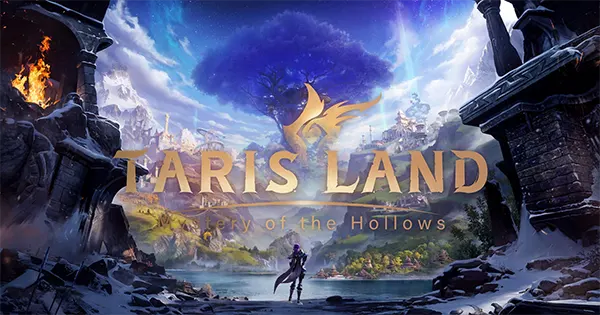

Mobile MMORPGs have trained a lot of players to expect “hands-off” progression: auto-questing, auto-combat, and systems that keep moving even when you’re barely touching the screen. Tarisland Mobile goes in a different direction. It launched on iOS and Android alongside PC on 21 June 2024, and it deliberately leans into manual play, group roles, and mechanics that reward attention. By 2026, the real question isn’t whether the game can run well on a phone — it clearly can — but whether modern mobile audiences are still willing to play an MMO the way they used to on PC.
Why Auto-Play Became the Default on Mobile — and Why Tarisland Pushes Back
Auto-play didn’t become popular by accident. It solved a genuine mobile problem: shorter sessions, frequent interruptions, and players who want steady progress while commuting or multitasking. In many MMOs, the “grind” is a wall of repeated tasks, so letting the game handle the routine bits became an expected feature. For some audiences, it’s not laziness — it’s practicality.
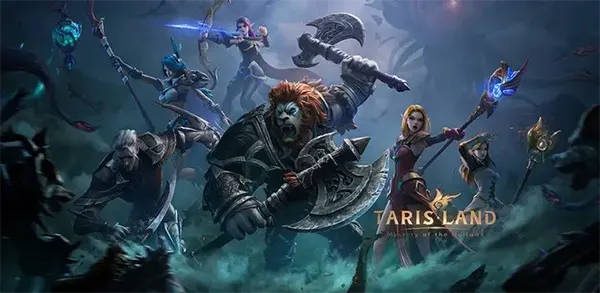
Tarisland’s design philosophy is closer to classic theme-park MMORPGs: you pick a role, you manage abilities, and you pay attention to positioning and encounter mechanics. That approach is easier to appreciate when the game is balanced around skill use rather than automation. The moment auto-play handles combat decisions, a large chunk of that MMO identity disappears — especially in group content where timing matters.
From a popularity standpoint, this is risky but not irrational. Many mobile players are tired of MMOs that feel like idle games with extra steps. A manual-first MMO offers a clear identity: it targets people who actually want to play, not just collect rewards. In 2026, that niche is big enough to matter — but only if the game respects the realities of mobile life.
What Manual Play Changes on a Smartphone (Good and Bad)
The biggest advantage is engagement. When you’re actively dodging attacks, managing cooldowns, and reading boss patterns, the game feels more like a “real MMO” rather than a background activity. That makes victories meaningful, and it naturally supports long-term retention among players who value mastery and teamwork.
The downside is fatigue. Touch controls can feel less precise than mouse and keyboard, and long sessions of active combat can become tiring. That doesn’t mean manual combat can’t work — action RPGs prove it can — but it does mean the interface must be clean, responsive, and customisable. If the UI becomes cluttered or skills feel awkward to trigger, players will drop off quickly.
Manual play also changes social expectations. In auto-play MMOs, parties often feel optional because the game can carry you. In Tarisland, group content demands real participation. That can create stronger communities, but it can also make casual players feel excluded if the difficulty curve is too steep or matchmaking isn’t supportive enough.
Does Tarisland Have Enough MMO Depth to Justify Active Play?
Manual gameplay only works if there’s something worth paying attention to. Tarisland gives players structured class roles and a combat system built around ability usage and build choices. The game offers multiple classes and role specialisations, and progression is tied to gearing and talents rather than “AFK farming”. That’s crucial: if you’re asking players to stay active, the reward loop must feel fair and skill-based.
Another factor is cross-progression and cross-play with PC. This matters more than many people admit. A player might do quick tasks on mobile during the day and then switch to PC for longer sessions. That flexibility supports manual play because players aren’t forced to do all “serious” content on a phone. In practice, this can keep the mobile version relevant without turning it into an auto-play compromise.
In 2026, the competition is brutal: players can choose from established mobile MMOs, console-style action RPGs, and even non-MMO live-service games that scratch the same social itch. Tarisland’s depth needs to be visible early — within the first hours — otherwise players will assume it’s just another grind. Early onboarding, clarity of roles, and meaningful progression pacing are what turn curiosity into commitment.
Raids, Dungeons, and Social Pressure: The Make-or-Break Point
Group content is where a no-auto-play MMO can shine. When boss fights require coordination, players feel the value of learning mechanics and improving their builds. A well-designed raid doesn’t just test gear; it tests awareness, teamwork, and execution. That’s also where Tarisland can build its strongest identity compared to “auto everything” competitors.
However, mobile raids bring practical friction: voice chat habits differ on mobile, players may be in noisy environments, and many prefer shorter sessions. If high-end content demands long uninterrupted runs, participation will shrink. The smartest approach is offering scalable difficulty and time-friendly dungeon design that still feels rewarding for skilled play.
Social pressure is a double-edged sword. In manual MMOs, players notice when someone underperforms. That can create accountability and improvement, but it can also lead to toxicity if the community becomes impatient. In 2026, good moderation tools, reporting systems, and clear communication design matter almost as much as combat balance.
Can a No-Auto-Play MMO Be Popular on Mobile in 2026?
Yes — but popularity will look different from auto-play giants. A manual-first MMO doesn’t have to dominate total downloads to be successful. It needs a dedicated core: players who log in for real sessions, enjoy group content, and stick around for progression that feels earned. In 2026, the market has matured enough to support that kind of audience, especially among players who grew up on traditional MMORPGs and now want a mobile option that doesn’t feel watered down.
The key is respecting time without removing gameplay. That means sensible daily tasks, strong catch-up systems, and fewer “mandatory chores” that feel like work. If the game demands constant grinding just to remain viable, mobile players will bounce — not because it’s manual, but because it’s exhausting. A no-auto-play MMO succeeds when it feels like quality time, not obligation.
Ultimately, Tarisland’s biggest strength is also its main challenge: it asks you to be present. If the developers keep improving UI, balance, and matchmaking while delivering content that rewards skill rather than automation, it can remain relevant through 2026. If it drifts toward repetitive chores or pay-driven progression, the lack of auto-play won’t be “brave” — it will just feel inconvenient.
What to Watch in 2026 If You’re Considering Tarisland on Mobile
First, watch the update cadence and seasonal structure. A no-auto-play MMO needs fresh reasons to play — not just new cosmetics, but new mechanics, new encounters, and meaningful progression loops that don’t feel like endless repetition.
Second, pay attention to how well the game supports mobile-first users. This includes UI scaling, control customisation, performance on mid-range devices, and the ability to play effectively without needing a PC. Cross-play is a benefit, but the mobile experience still needs to stand on its own.
Third, look at the community health: queue times, role balance, and how new or returning players are treated. A manual MMO rises or falls on social experience. If dungeons feel accessible and teamwork is encouraged, the game can build long-term loyalty. If it becomes elitist or frustrating to group, even strong gameplay won’t save retention.